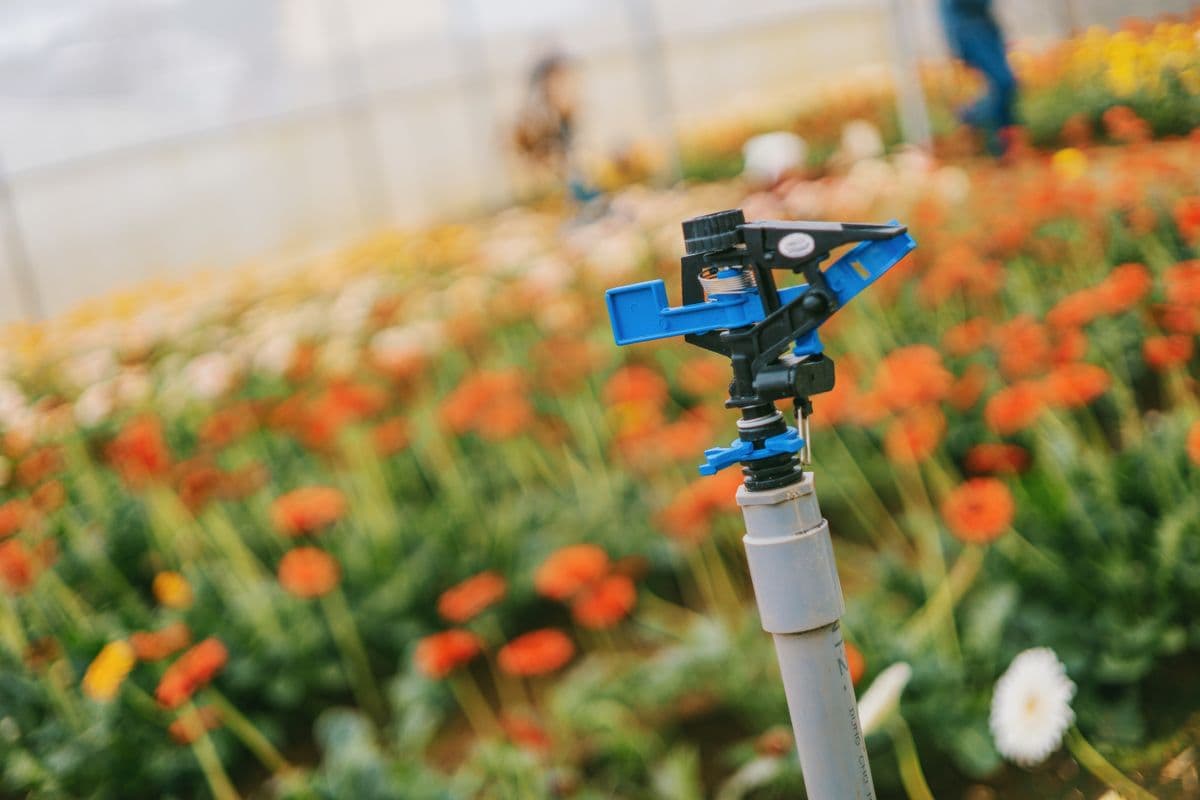
How to compare drip and sprinkler irrigation by planting type, available water pressure, controls and the maintenance each system needs.
Choosing irrigation is not simply a choice between drip pipes and sprinkler heads. A garden with a lawn, planted borders and containers may need more than one watering method. The design should start with the planting layout and the water supply, then divide the garden into areas that can be controlled appropriately.
Match the method to the planting
Drip irrigation delivers water close to plant roots through emitters or dripline. It is useful for many planted beds and shrub areas. Sprinklers distribute water over a wider surface and are commonly used for lawns. A system can use both, with separate valves and schedules for different planting areas.
EPA WaterSense describes microirrigation as low-pressure, slow delivery to the root zone, which can reduce runoff and evaporation. That does not mean every installation will achieve the same savings. Layout, scheduling, maintenance and the system being replaced all affect the result.
Test the supply before buying equipment
Tell the designer whether water comes from a tank, pump or another supply and when it is available. Ask for usable flow and pressure to be assessed under operating conditions. An outlet that appears strong with nothing else running may behave differently when another part of the property uses water.
Discuss water quality and filtration with the system designer, particularly when emitters and small passages are involved. Pump selection, pipe sizing and electrical accessories need to be coordinated. Selecting equipment independently can leave otherwise suitable parts unable to work together.
Compare complete proposals
- A zone drawing showing which beds or lawn areas each valve serves.
- The specified pipes, heads or emitters, filtration and control equipment.
- Accessible valve locations and provision for flushing or maintenance.
- A proposed operating schedule that can be adjusted as conditions change.
- Installation, testing and a demonstration for the person who will operate it.
Plan for checks after installation
Ask the installer to run every zone at handover. Look for water landing on paving, areas receiving uneven coverage and visible leaks. Keep the zone plan and equipment details with the property records. Changes to beds or paving should be reflected in that plan so a later contractor does not cut through an unknown pipe.
An automatic controller still needs review. Adjust operation when rainfall, plant growth or site use changes, and check the garden rather than relying only on a timer display. GardenPlus provides design and installation planning for automated sprinkler and drip-irrigation systems, including pipelines, valves, controls, pumps, motors and electrical accessories. A site assessment establishes which combination fits your garden.
